Advertisement
Click to download now, finish the installation quickly, and directly unlock the "all-round experience"
Advertisement
Screenshots
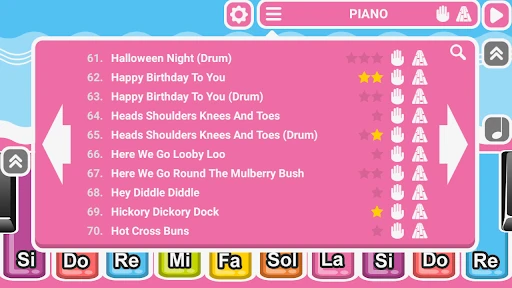
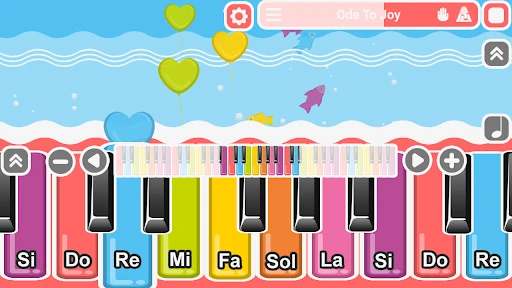
Click to download now, finish the installation quickly, and directly unlock the "all-round experience"
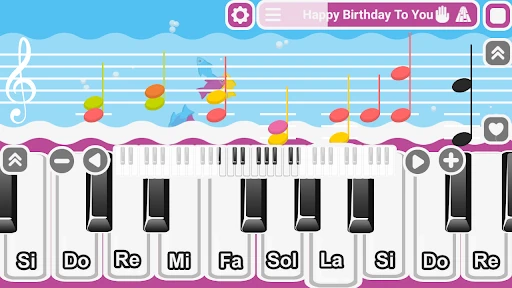
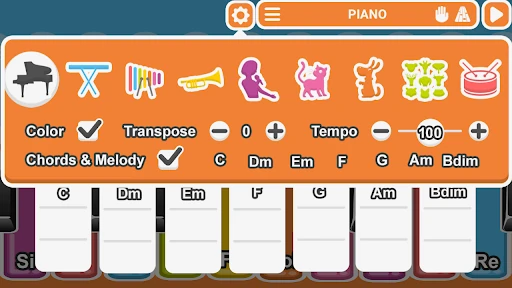
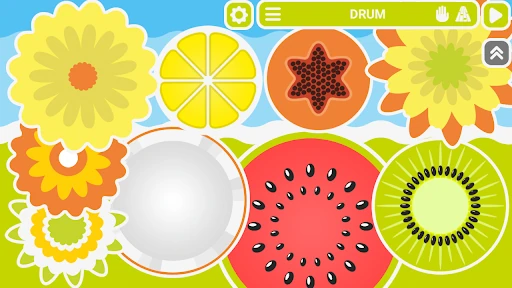
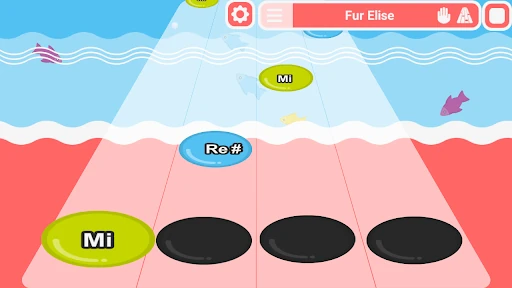
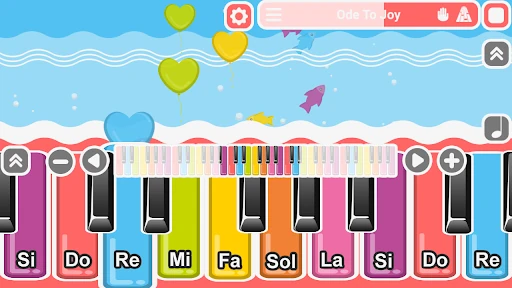
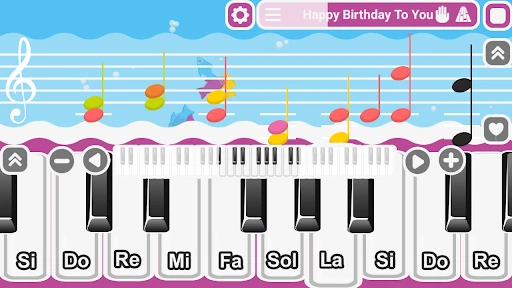
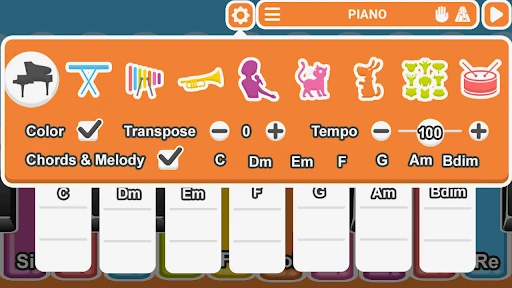
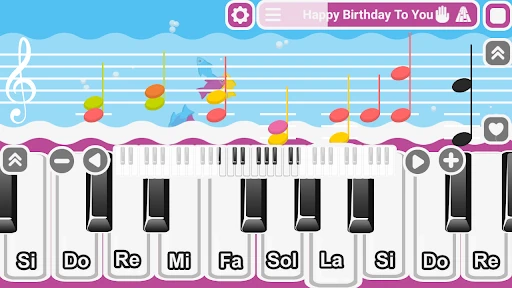
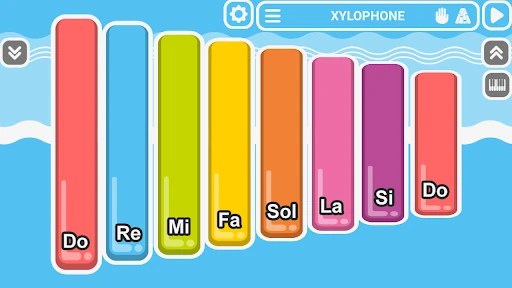
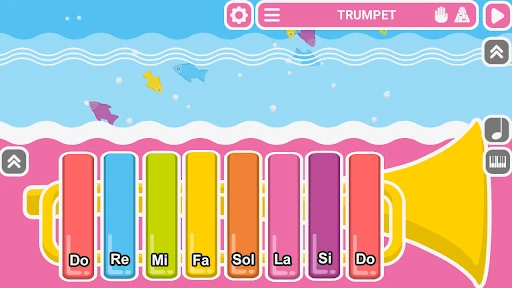
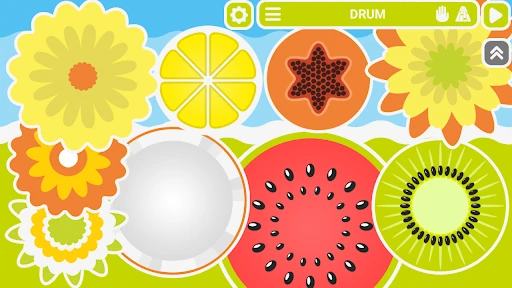
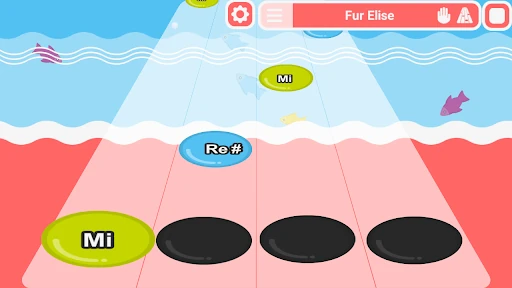
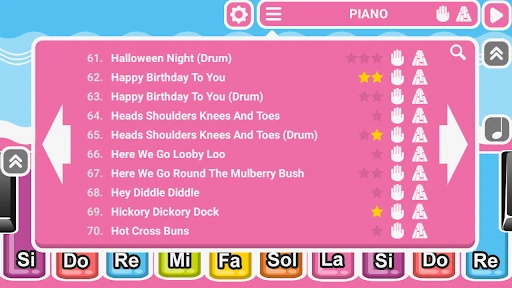
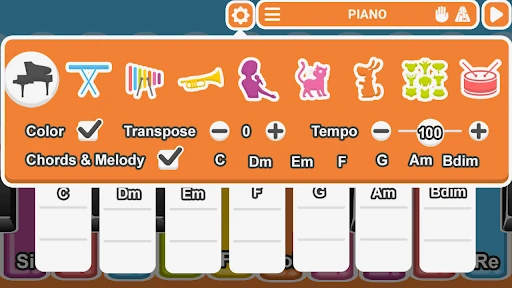
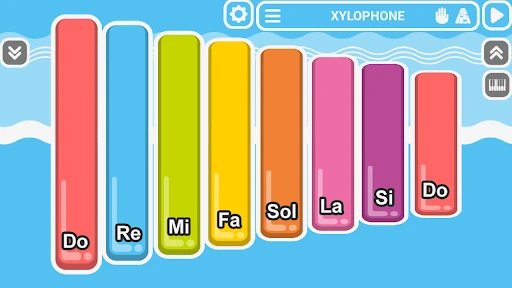
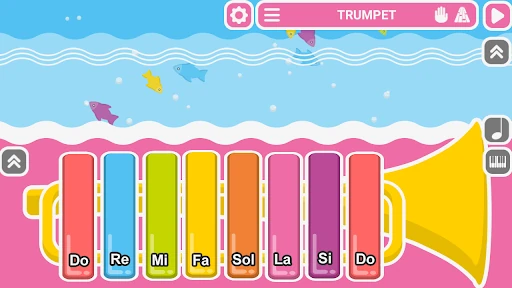
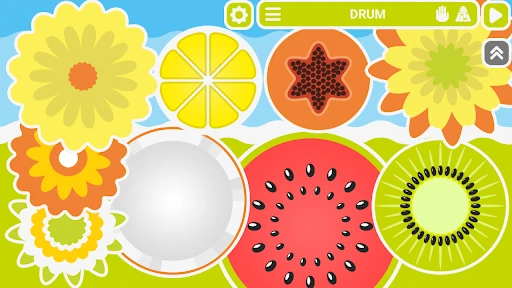
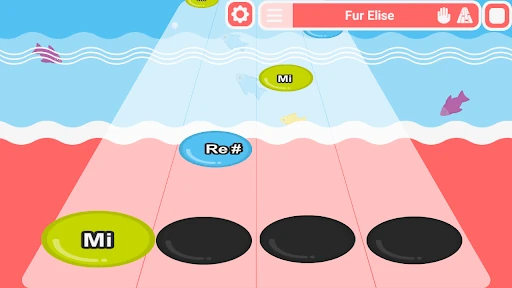
Kids Piano stands out as a dedicated educational tool within the mobile music landscape, specifically engineered to bridge the gap between play and early childhood music theory. By transforming standard mobile hardware into a multi-instrument workstation, it provides a safe and vibrant environment for children to explore auditory stimuli. Unlike general-purpose music apps, Kids Piano is built from the ground up with a child-first philosophy, ensuring that every interaction—from the color-coded keys to the simplified navigation—is optimized for cognitive development and fine motor skill refinement.
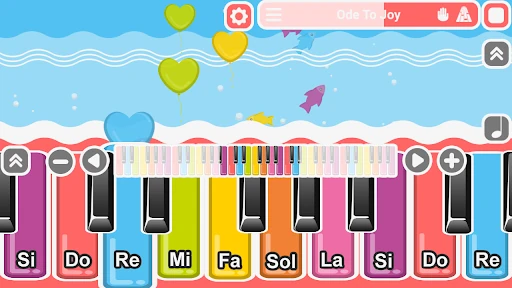
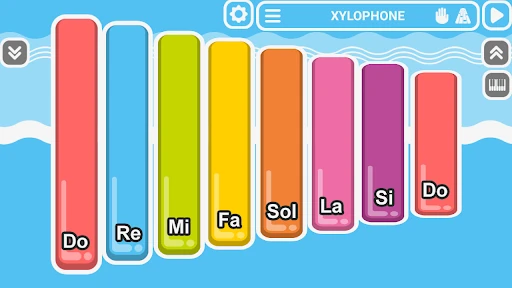
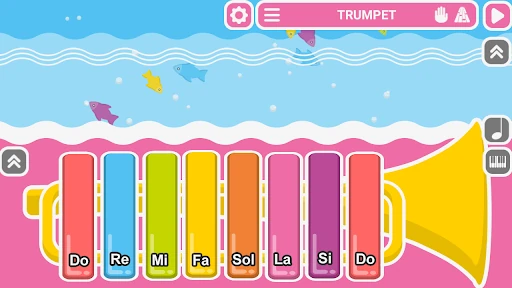
The user interface of Kids Piano is a masterclass in age-appropriate design. It utilizes a high-contrast, primary color palette that aligns with the visual preferences of the target demographic. The "color piano keys" serve as a crucial UX element, allowing children to associate specific notes with colors before they can even read music. Large, tactile touch targets ensure that the interface remains functional for developing motor skills, while the exclusion of intrusive pop-up ads ensures a "flow state" that is vital for concentrated learning in children.
To further elevate the educational value, the developer could implement a recording studio feature, allowing children to save their compositions and share them with parents. Furthermore, adding a "Music Theory 101" mode where the "Teacher Singer" explains basic concepts like tempo or pitch would add significant depth to the existing curriculum. Expanding the animal sound library to include more diverse environments (like safari or ocean sounds) could also increase the app's longevity.
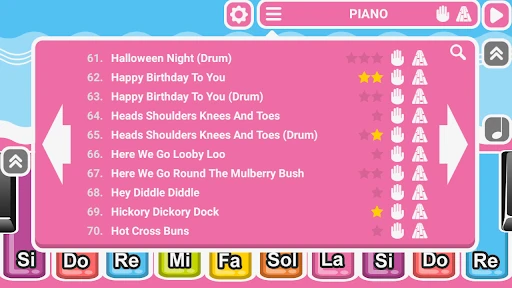
Kids Piano is an essential download for parents of toddlers and preschoolers (ages 2 to 7) who want to introduce their children to the world of music without the frustration of complex interfaces or aggressive monetization. Its combination of free-play instruments and structured games makes it a versatile tool for early development. It is a rare example of a "Free" app that truly respects the user's focus and the child's learning experience.