Advertisement
Click to download now, finish the installation quickly, and directly unlock the "all-round experience"
Advertisement
Screenshots
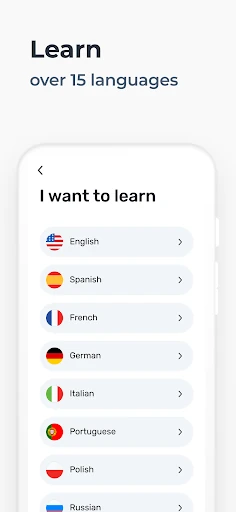
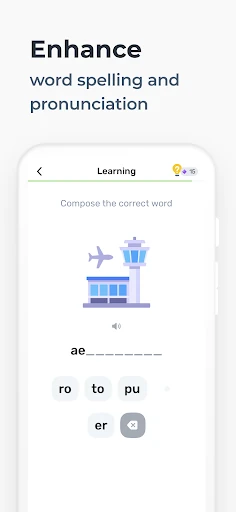
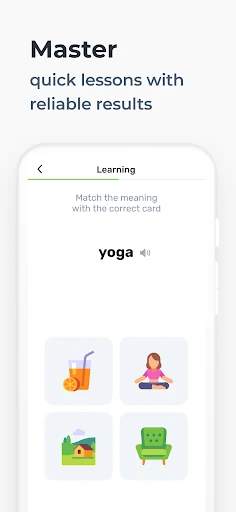
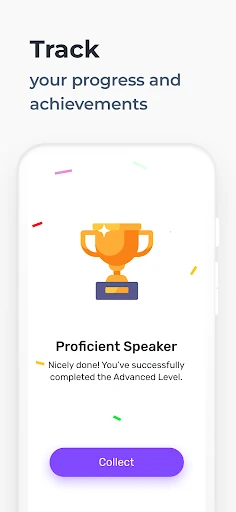
Click to download now, finish the installation quickly, and directly unlock the "all-round experience"
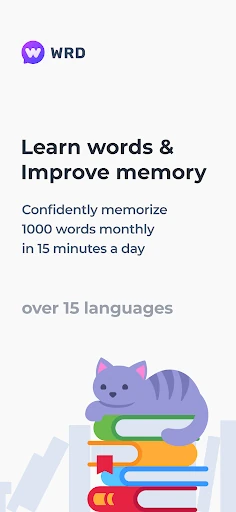
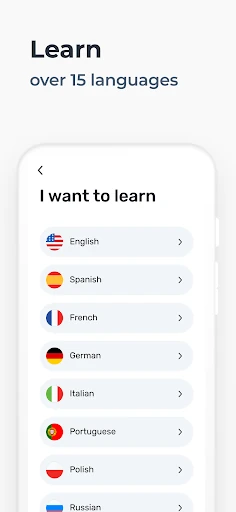
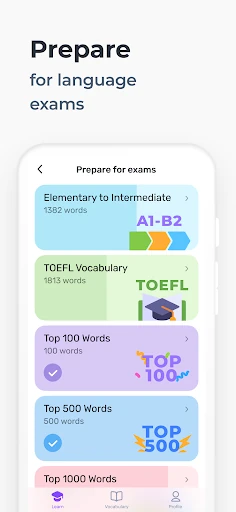
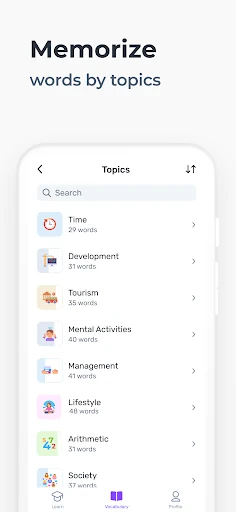
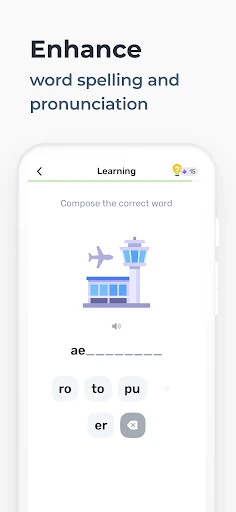
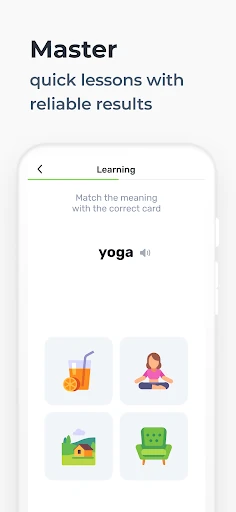
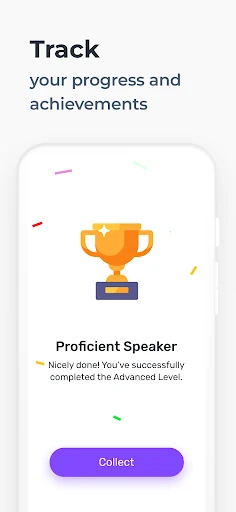
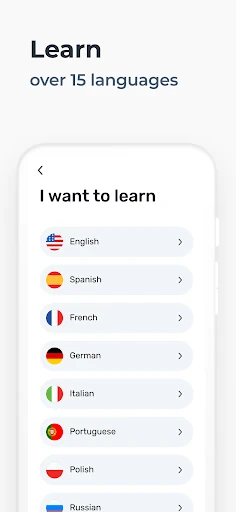
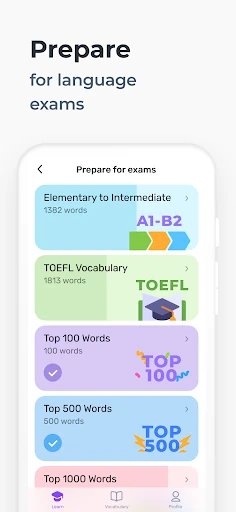
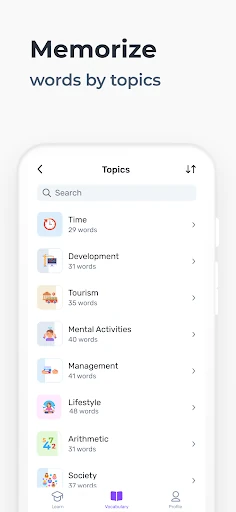
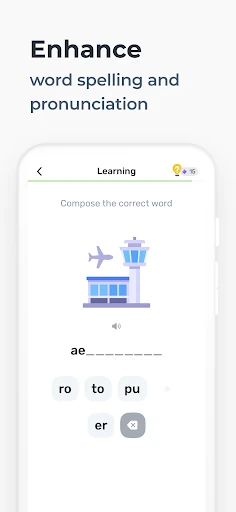
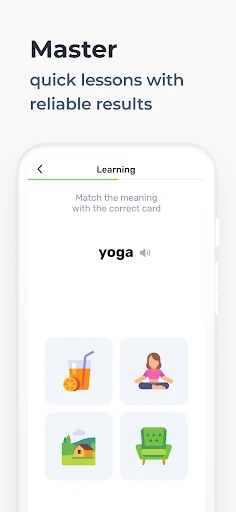
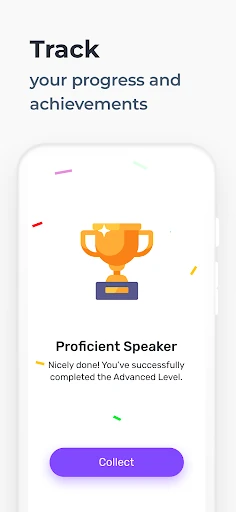
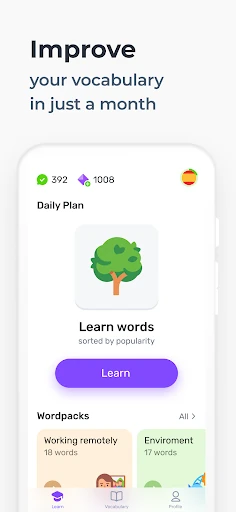
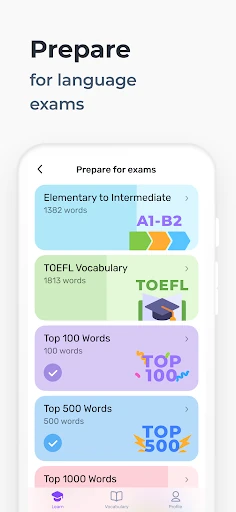
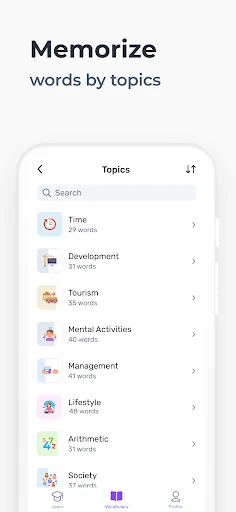
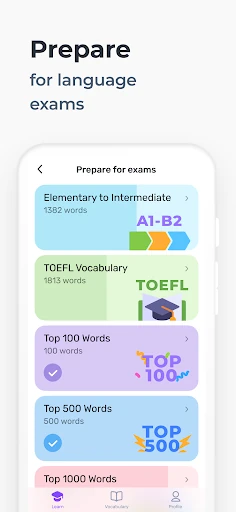
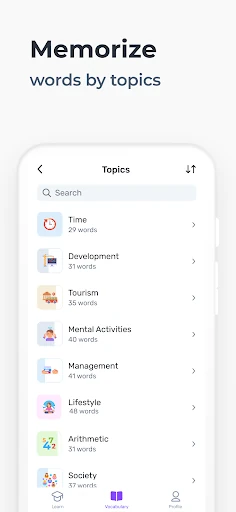
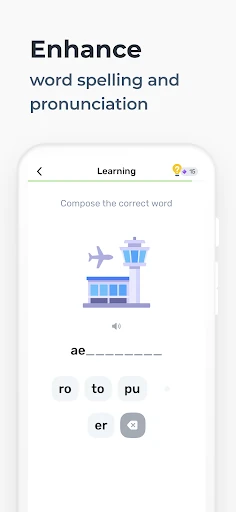
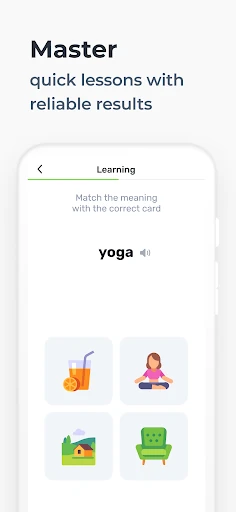
WRD – Learn Words positions itself as a high-velocity entry in the competitive language-learning sector of the Education category. While many platforms attempt to cover every facet of linguistics, WRD focuses specifically on the "vocabulary bottleneck," utilizing a science-based methodology to accelerate word acquisition. By integrating visual, auditory, and textual stimuli, the app creates a multimodal learning environment designed to move information from short-term memory to long-term retention. In an landscape dominated by heavyweights like Duolingo, WRD carves out a niche by prioritizing "quick, short exercises" that cater to the modern user’s fragmented attention span.
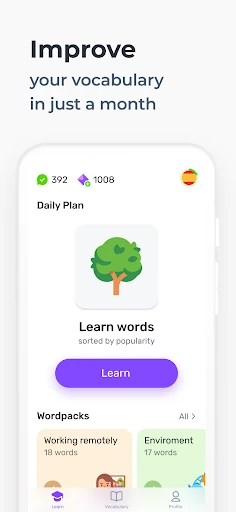
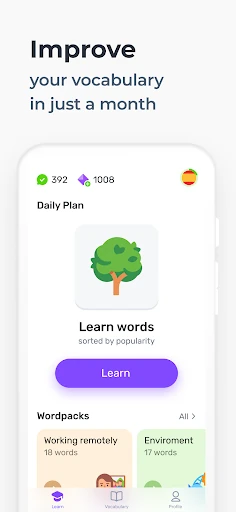
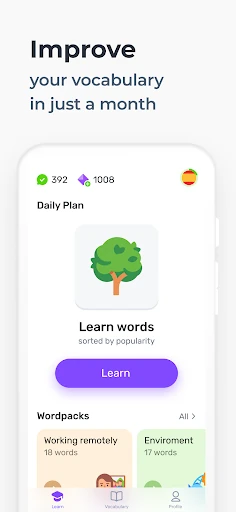
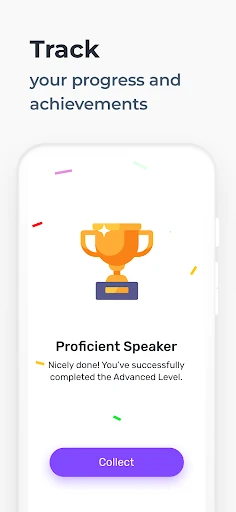
The user interface of WRD – Learn Words reflects the "fast and easy" philosophy promised in its core mission. The design language is clean and minimalist, reducing cognitive load and allowing the user to focus entirely on the learning material. The UX is optimized for micro-learning sessions; navigation is intuitive, and the feedback loop is nearly instantaneous. This "snackable" content approach ensures that users can make meaningful progress during a short commute or break, which is a gold standard for mobile educational software.
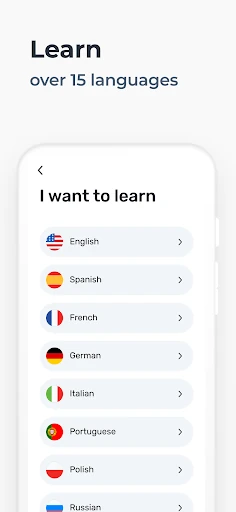
To further solidify its standing, WRD could benefit from adding a speech-recognition engine that provides more granular feedback on pronunciation nuances. Additionally, implementing an offline mode for the primary learning courses would increase the app's utility for travelers. Expanding the current language library to include more Asian and African dialects would also broaden its global appeal and market share within the Education category.
WRD – Learn Words is an ideal tool for beginner to intermediate learners who need to build a functional vocabulary quickly and efficiently. It is particularly well-suited for busy professionals and students who require a flexible, science-backed learning supplement. While it may not replace an intensive immersion course, it is one of the most effective "vocabulary boosters" on the market today. We highly recommend WRD for anyone looking to break the barrier of basic communication in a new language without the burnout of traditional study methods.