Advertisement
Click to download now, finish the installation quickly, and directly unlock the "all-round experience"
Advertisement
Screenshots
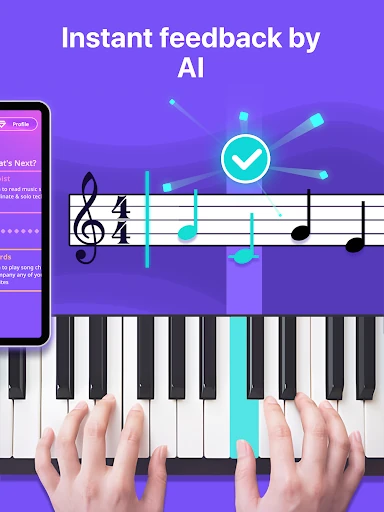
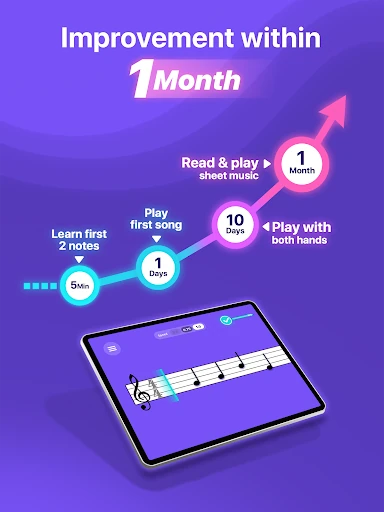
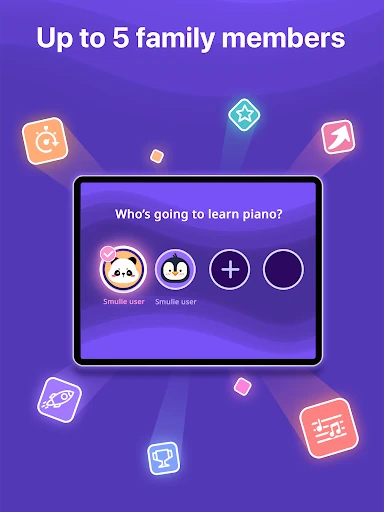
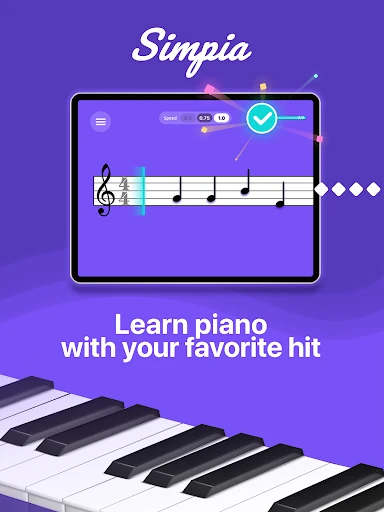
Click to download now, finish the installation quickly, and directly unlock the "all-round experience"
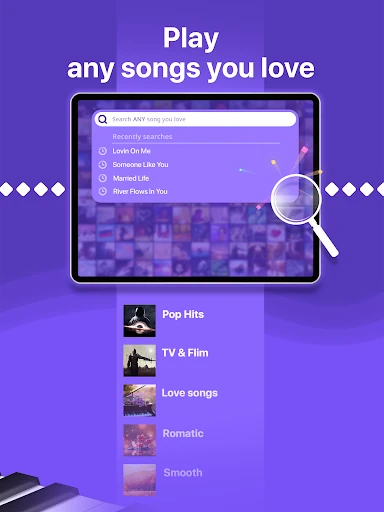
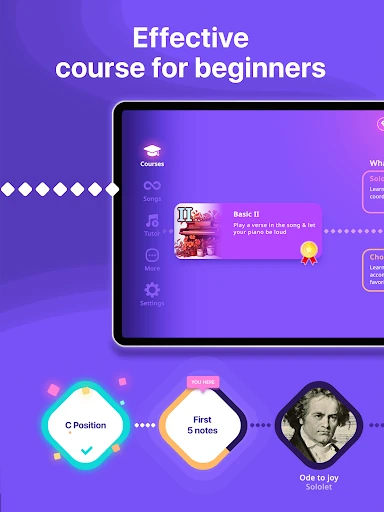
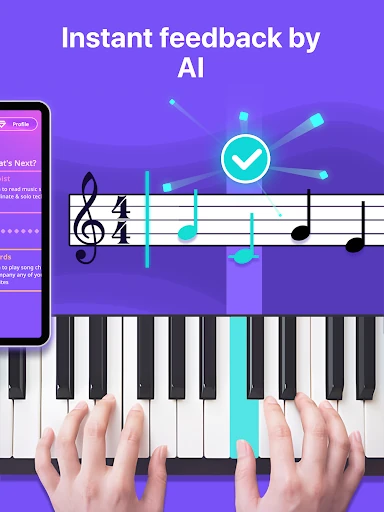
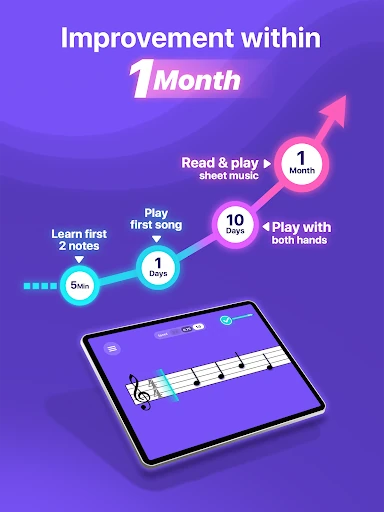
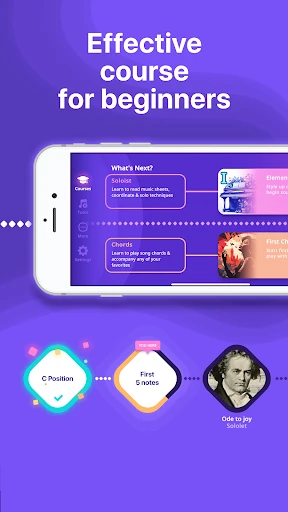
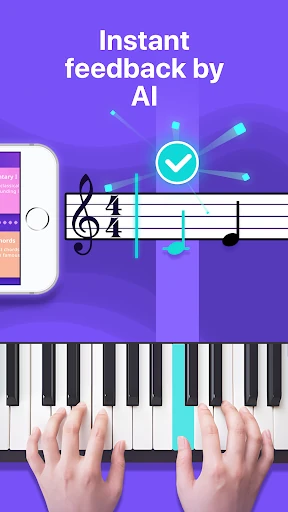
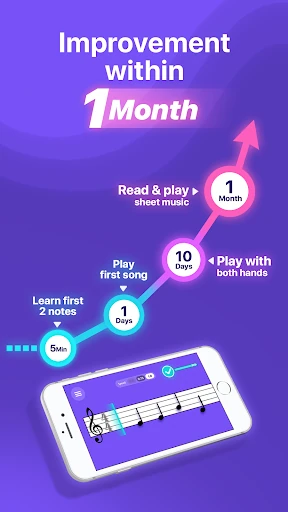
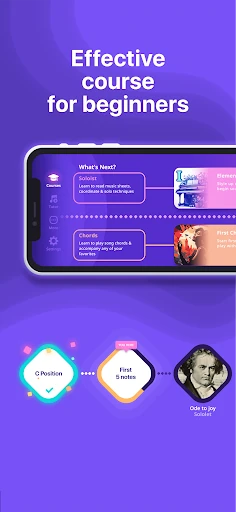
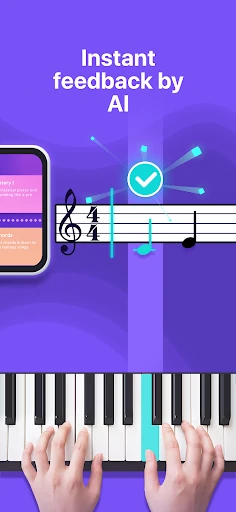
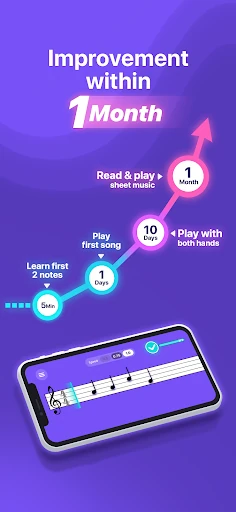
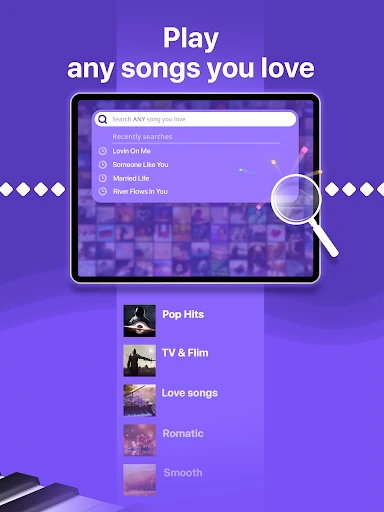
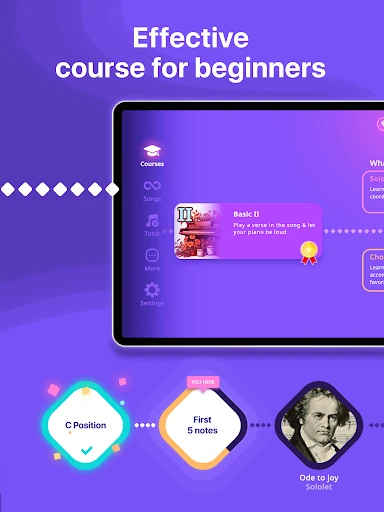
Simpia: Learn piano by songs represents a sophisticated convergence of artificial intelligence and music pedagogy within the Education landscape. As a senior analyst, I find its approach to be a compelling bridge between gamified learning—reminiscent of rhythm games—and traditional conservatory-style instruction. Developed by experienced educators, the app leverages real-time audio recognition to provide a feedback loop that is essential for motor skill acquisition. It positions itself as a versatile tool that scales with the user, transitioning from basic music theory to complex, two-handed compositions, making it a heavyweight contender in the competitive digital music education market.
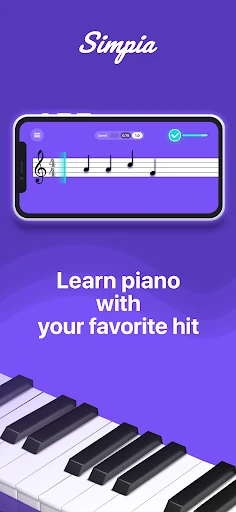
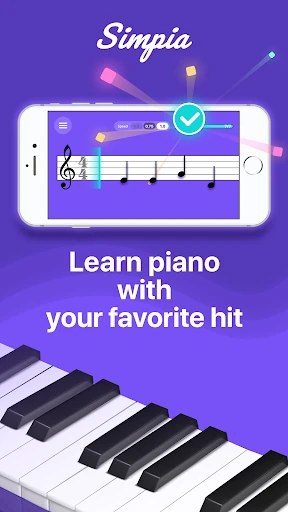
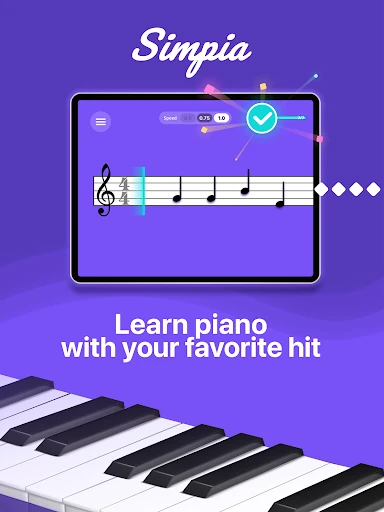
The interface of Simpia is designed with a focus on reducing cognitive load during the learning process. The "piano drop notes" visualizer provides a high-contrast, intuitive pathway for beginners to hit the right keys immediately, while the inclusion of traditional music scoring helps transition users toward professional literacy. The UI is clean and responsive, tailored for both tablet and smartphone screens. The touch-screen mode is particularly well-optimized, offering a tactile-adjacent experience for those who do not yet own a physical keyboard. From a UX perspective, the progression feels logical and rewarding, utilizing sensory perception and auditory cues to reinforce learning.
While the app excels in visual feedback, the next iteration could benefit from a more robust "Theory Mode" that includes interactive video masterclasses to complement the AI lessons. Additionally, implementing a "Sheet Music Only" toggle within the gameplay would help intermediate players bridge the gap between visual gaming and professional sight-reading more effectively. Further refinement of the microphone recognition in noisy environments would also enhance the experience for users practicing in shared spaces.
Simpia: Learn piano by songs is an ideal solution for aspiring pianists who require the structure of a curriculum but the flexibility of a mobile app. It is particularly well-suited for adult learners and students who find traditional methods intimidating and prefer a "learn-by-doing" approach. Whether you are a total novice or a returning player looking to sharpen your skills, Simpia provides a high-tech, authoritative environment to master the keys. It is a highly recommended download for anyone looking to turn their device into a personal piano conservatory.